
REPTILE CARE PLANNING
Prepare the Habitat Before the Animal
Use this resource hub to organize your research, compare care priorities by animal group, and build an enclosure and support plan before bringing a reptile home.
Care Guidance Is Not Veterinary Advice
Needs vary by exact species, age, health and environment. Verify information with reliable species-specific sources and establish care with a qualified reptile veterinarian. For urgent health concerns, contact a veterinarian rather than relying on website content.
START WITH THE ANIMAL GROUP
Interactive Care Planning Guide
Select a group to review the major questions that should guide deeper species-specific research. These summaries are planning prompts, not universal care parameters.
Care-planning overview
Lizards
Research adult size, basking access, UVB needs, substrate safety, diet and enclosure complexity for the exact species.
- Verify the scientific species and adult size
- Prepare and test the complete habitat first
- Use accurate measuring equipment
- Locate a qualified reptile veterinarian
Care-planning overview
Snakes
Confirm adult enclosure size, secure housing, heat gradient, humidity cycle, prey type and appropriate feeding intervals.
- Verify the scientific species and adult size
- Prepare and test the complete habitat first
- Use accurate measuring equipment
- Locate a qualified reptile veterinarian
Care-planning overview
Tortoises
Plan for long-term space, lighting, temperature zones, safe substrate, hydration and a species-appropriate plant-based diet.
- Verify the scientific species and adult size
- Prepare and test the complete habitat first
- Use accurate measuring equipment
- Locate a qualified reptile veterinarian
Care-planning overview
Geckos
Identify whether the species is arboreal or terrestrial and verify temperature, humidity, lighting, climbing and dietary requirements.
- Verify the scientific species and adult size
- Prepare and test the complete habitat first
- Use accurate measuring equipment
- Locate a qualified reptile veterinarian
Care-planning overview
Chameleons
Prioritize ventilation, vertical space, hydration strategy, UVB, basking access, plant safety and careful observation of stress.
- Verify the scientific species and adult size
- Prepare and test the complete habitat first
- Use accurate measuring equipment
- Locate a qualified reptile veterinarian
Care-planning overview
Skinks
Confirm species-specific space, substrate depth, hides, temperature zones, humidity and varied nutrition before setup.
- Verify the scientific species and adult size
- Prepare and test the complete habitat first
- Use accurate measuring equipment
- Locate a qualified reptile veterinarian
BEFORE YOU COMMIT
A Responsible Keeper Checklist
A successful setup starts before checkout. Use these four areas to identify gaps in preparation.
Habitat & Equipment
Confirm adult enclosure size, escape security, temperature zones, lighting, humidity, ventilation, substrate, hides and furnishings.
Food & Hydration
Research the natural diet, prey or plant variety, feeding frequency, supplementation and hydration method for the exact species.
Arrival & Acclimation
Prepare a quiet, stable enclosure, minimize unnecessary handling and understand the shipping and receipt process before delivery.
Observation & Health
Track appetite, weight, waste, shedding, breathing, movement and behavior. Arrange veterinary care when signs are abnormal or persistent.
CONNECT RESEARCH TO REAL INVENTORY
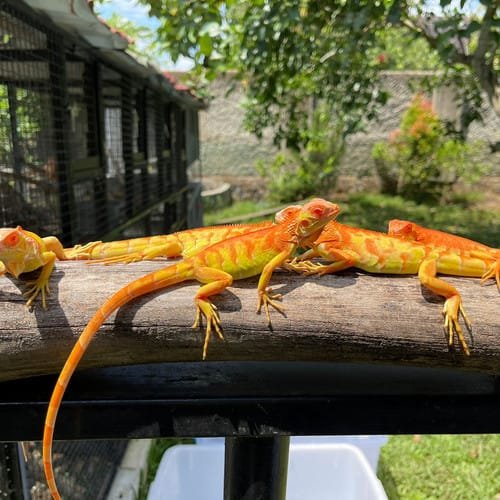
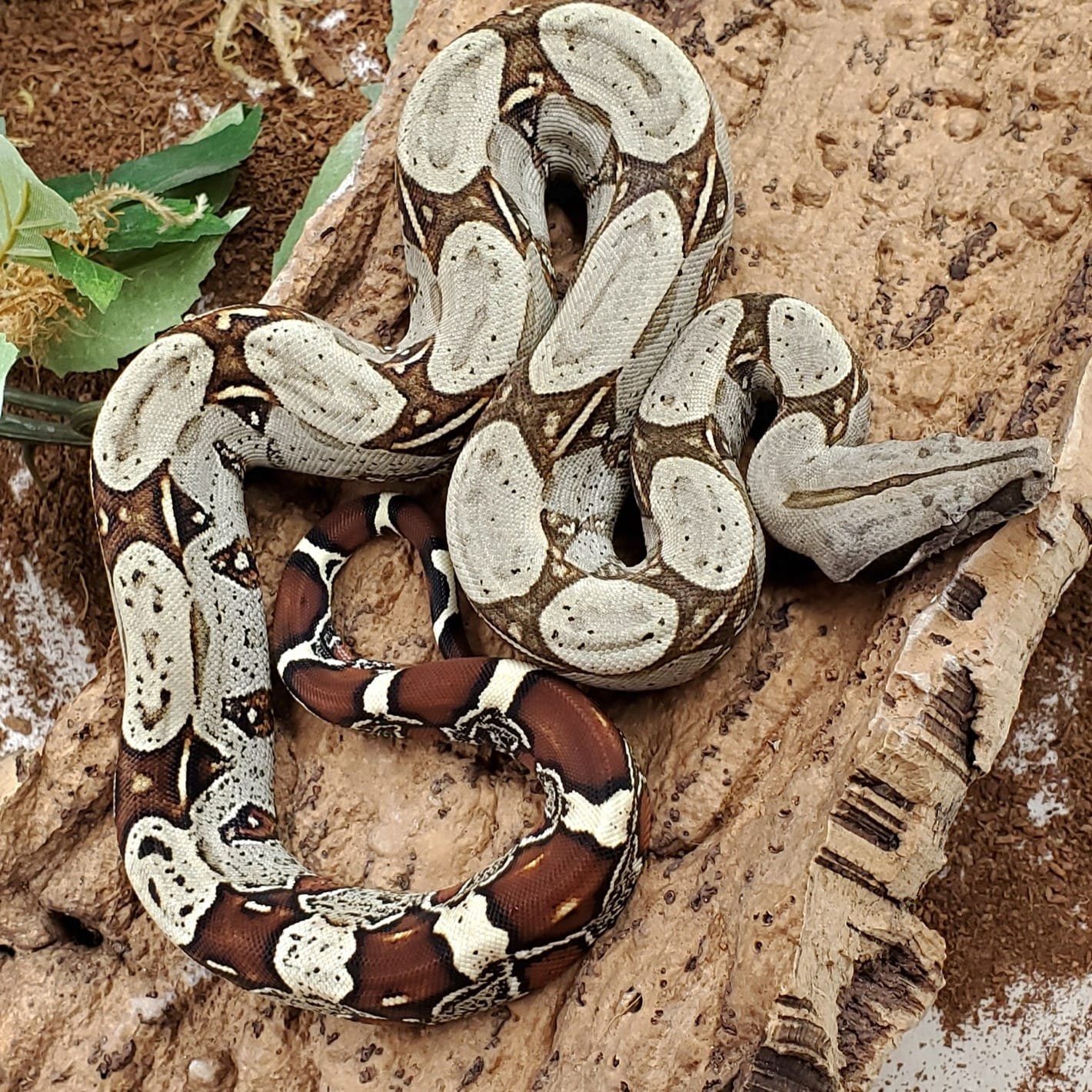
Recently Added Reptiles
Current listings are shown for discovery. Read the individual product details and complete species-specific research before ordering.

PREPARATION IS PART OF RESPONSIBLE KEEPING
Research First. Build the Habitat. Then Choose.
Use the catalog when you are ready, review common questions, or contact support if you need help locating product and policy information.